The Woman Behind the Magic
You probably never heard Maria Santos’ name in the papers, but if you lived anywhere near Pilsen in the last fifteen years, you felt her impact. She was the kind of community organizer who showed up before the meetings started to make sure there was decent coffee, who remembered your kid’s name six months after you mentioned them once, and who somehow always knew which families were struggling before they had to ask for help.
Maria died last month at 67, and with her passing, we lost more than just a beloved neighbor. We lost the living memory of what grassroots organizing looked like when it was driven by genuine care rather than grant cycles and board presentations. She ran the Corazón Community Kitchen out of a converted storefront on 18th Street for over a decade, but calling it just a food program would be like calling Wrigley Field just a place with grass and bleachers.
The kitchen served 200 meals every Thursday evening, but it was also where teenage mothers learned to advocate for better childcare, where undocumented workers practiced English with retired teachers, and where block captains planned everything from community gardens to immigration raids response networks. Maria understood something that gets lost in today’s organizing: that people need to eat together before they can dream together.

Building Power One Plate at a Time
What made Maria different wasn’t her politics, though she had them. It wasn’t her background, though her journey from factory worker to community leader was remarkable. What set her apart was her ability to see organizing as an act of cultural preservation. Every Thursday, the Corazón Kitchen smelled like her grandmother’s mole recipe. That wasn’t an accident.
She believed that fighting displacement meant more than stopping evictions. It meant creating spaces where the flavors, languages, and rhythms that made a neighborhood distinct could flourish. When developers started circling the area with plans for “authentic Mexican dining experiences,” Maria would laugh and point to the abuela teaching her granddaughter to make tamales at table six. “There’s your authentic,” she’d say.
The kitchen operated on what Maria called “dignified abundance.” No one signed up in advance or proved their need. People contributed what they could, whether that was five dollars, childcare during meetings, or help cleaning up afterward. Local restaurants donated ingredients that were close to expiration, but Maria trained a core group of volunteers to transform everything into meals that felt like celebrations rather than charity.
The Politics of Presence
Maria’s organizing style frustrated some of the younger activists who wanted faster results and clearer victory declarations. She thought in decades rather than election cycles, building relationships that could weather leadership changes and funding cuts. When the city proposed demolishing three blocks for a mixed-use development, Maria didn’t organize a protest. She organized a block party.
For six hours on a Saturday in September 2019, 18th Street filled with music, food trucks run by local families, and children playing in streets temporarily closed to traffic. City council members showed up expecting to defend their position and instead found themselves eating excellent carnitas while longtime residents explained what their neighborhood meant to them. The development proposal died quietly in committee two months later.
This wasn’t naive idealism disguised as strategy. Maria understood that lasting change required building what she called “cultural infrastructure.” She knew that the relationships formed over shared meals would outlast any single campaign. When ICE raids increased in 2018, the rapid response network that mobilized within hours was built on connections made in the community kitchen. People didn’t just share phone trees, they shared trust.
What We’re Really Losing
The Corazón Community Kitchen closed two weeks after Maria’s funeral. Her family couldn’t take over operations, and though several nonprofits showed interest, no one could replicate the particular alchemy that made it work. The storefront is empty now, with a “For Lease” sign that feels like a small violence against everything Maria built.
This is how cultural memory disappears in cities. Not through dramatic demolitions or obvious displacement, but through the quiet closing of spaces where communities practiced being communities. Maria never wrote grants or hired staff. She never developed a replicable model or created a nonprofit with a board of directors. What she created depended entirely on her presence, her relationships, and her particular way of seeing organizing as an extension of hospitality.
The loss feels especially sharp because her approach offers something our current moment desperately needs. In an era when community organizing often feels professionalized and distant, Maria proved that the most powerful politics still happen around kitchen tables. She showed that fighting for justice doesn’t require abandoning joy, and that building power can look like building family.
Her legacy lives on in the dozens of people she mentored, many of whom are now doing community work throughout the city. But something irreplaceable has been lost with the closing of that Thursday evening gathering space. We’ve lost a place where organizing felt like coming home, where political education happened through the sharing of stories over shared meals, and where the work of building a better world began with the simple act of making sure everyone in the room had enough to eat.
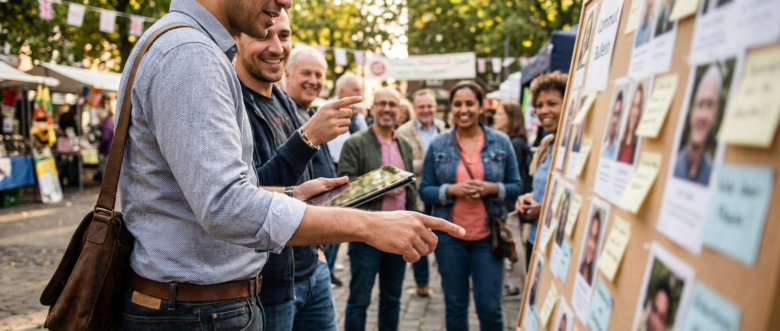
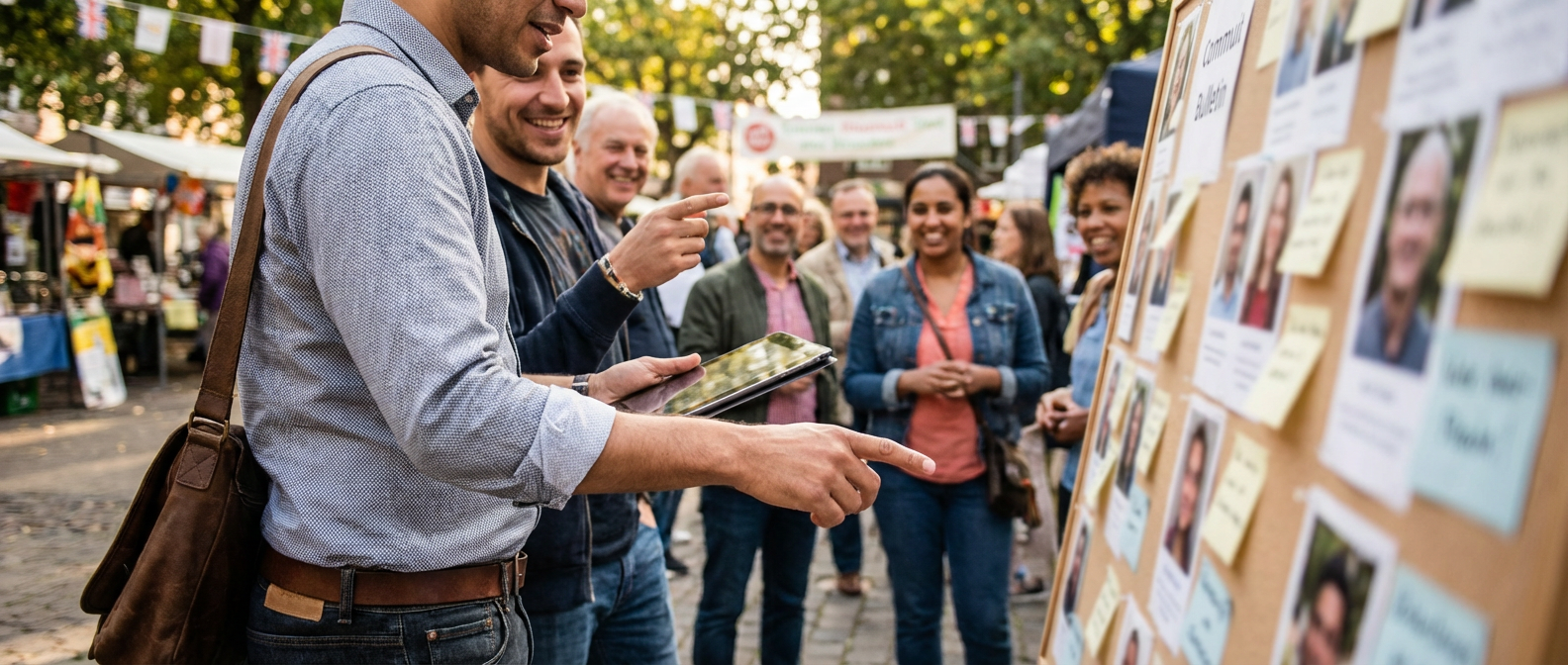
If you knew Maria or spent time at the Corazón Community Kitchen, I’d love to hear your stories. The neighborhood is planning a memorial garden in the small park on 19th Street, and we’re collecting memories for a community history project. Sometimes the best way to honor what we’ve lost is to make sure it doesn’t get forgotten.