The Geography of Belonging
There was a time when your zip code determined your tribe. The punk kids gathered at the record store on Fifth Street. Comic book enthusiasts huddled in basement shops that smelled of old paper and possibility. Theater nerds claimed the drama department as sacred ground. These physical spaces anchored communities, creating friction and serendipity in equal measure.
Today’s cultural landscape tells a different story. Generation Z has mostly ditched geographic community formation for digital kinship networks that span continents. A teenager in rural Montana shares more cultural DNA with a K-pop stan in Seoul than with their next-door neighbor. The internet didn’t just connect existing communities. It completely changed how communities form, sustain themselves, and wield influence.
What came out of this shift wasn’t chaos, but a new kind of order. Digital subcultures operate like city-states, each with distinct customs, economies, and power structures. They’ve gotten so complex that Know Your Meme culture tracking can barely keep up with how fast they evolve. These aren’t just hobby groups anymore. They’re economic and cultural forces reshaping industries from entertainment to politics.
The Thirty-Four Billion Dollar Devotion
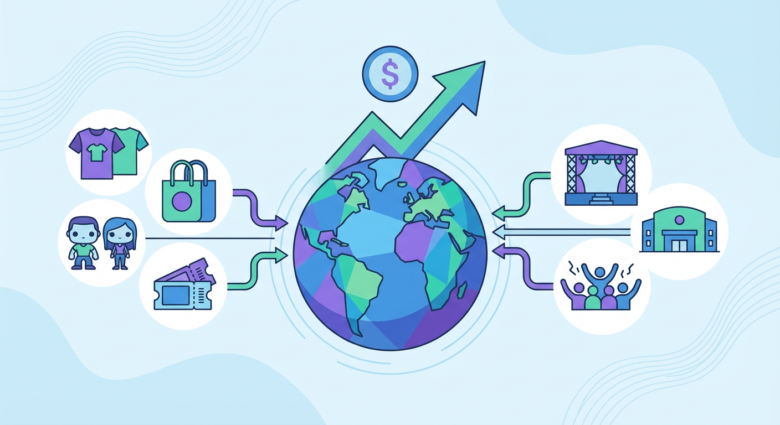
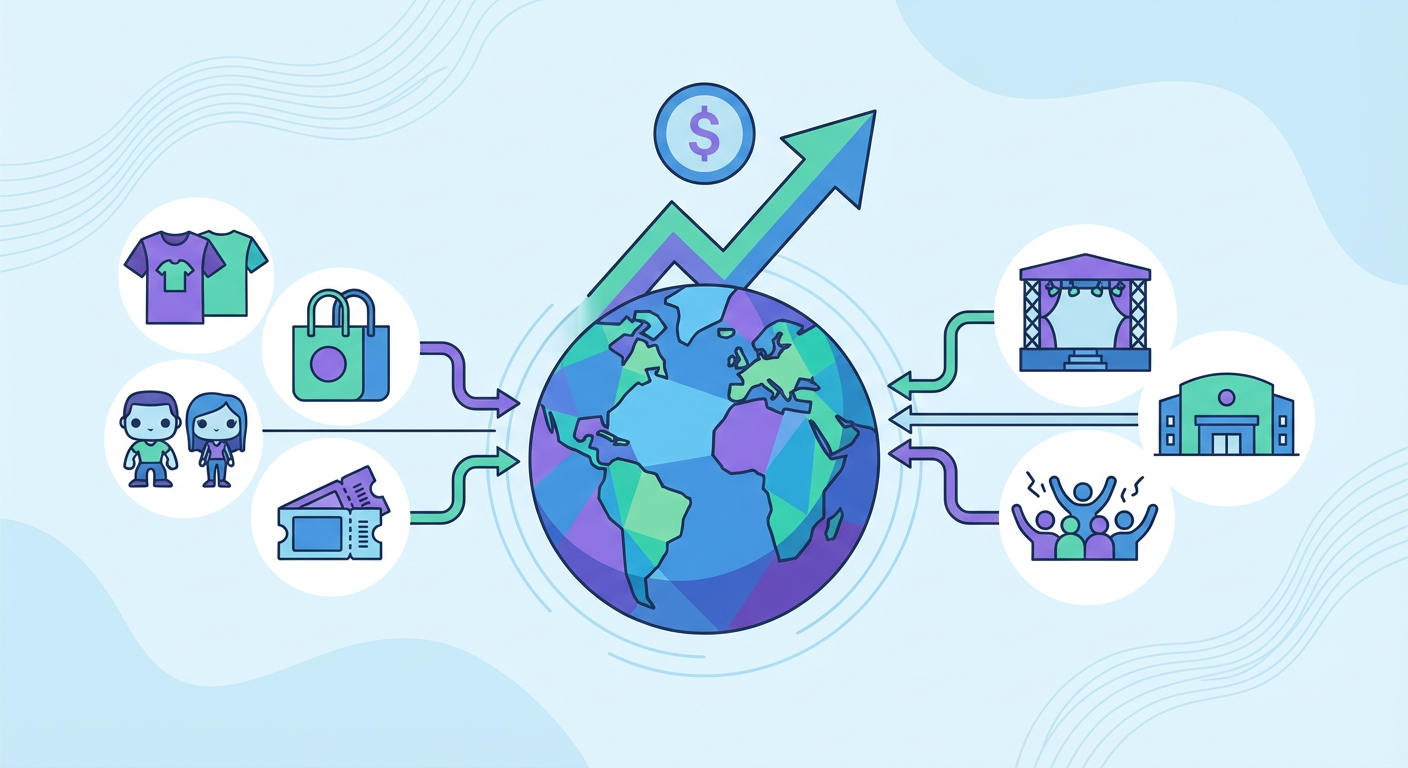
The numbers show just how big this transformation is. The global fandom economy now generates an estimated $34 billion annually through merchandise, events, and related activities. This figure is more than consumer spending. It reflects a complete restructuring of how cultural value gets created and distributed.
Traditional media companies once controlled the pipeline from creation to consumption. Studios decided which stories got told. Record labels chose which artists received promotion. Publishers determined which voices reached readers. Fandoms have completely disrupted this gatekeeping system by creating their own economic ecosystems.
Look at fan-created content across platforms hosting more than 10 million stories spanning major fandoms. These aren’t casual weekend projects. Many represent thousands of hours of unpaid labor, sophisticated narrative structures, and artistic innovation that rivals professional work. The sheer volume dwarfs traditional publishing output, creating parallel universes of creativity that operate outside conventional industry controls.
This abundance has created what researchers call parasocial relationships with creators, a psychological phenomenon where audiences form genuine emotional bonds with figures they’ll never meet. These connections drive purchasing decisions, career trajectories, and cultural movements with unprecedented intensity.
The Double-Edged Sword of Stan Culture
Stan armies show both the creative and destructive potential of organized fandom. These highly coordinated fan groups can manipulate music charts through strategic streaming campaigns, fund charitable causes in their idols’ names, and mobilize political activism around social justice issues. Their organizing power rivals that of traditional institutions.
But the same mechanisms that enable positive collective action also fuel cancel culture and harassment campaigns. The tools for building community become weapons for forcing conformity. Twitter storms can destroy careers overnight. Coordinated attacks drive targets off platforms entirely. The line between accountability and mob justice disappears completely.
This duality reflects a deeper truth about digital subcultures. They operate without many of the social buffers that moderated physical communities. Geographic distance once provided natural cooling-off periods. Face-to-face interaction encouraged empathy and nuance. Online spaces compress these dynamics into binary choices: you’re either inside the community or you’re not.
The result is communities capable of extraordinary creativity and solidarity, but also prone to sudden fractures and devastating internal conflicts. Fandom culture analysis at Vulture documents how these cycles of creation and destruction have become predictable patterns across different subcultures.
The Professional Pipeline
Maybe the biggest long-term impact of digital subcultures is how they work as training grounds for creative professionals. The fandom-to-professional pipeline now produces writers, artists, and game designers who learned their craft in fan communities rather than formal educational settings.
Fanfiction writers develop narrative skills through immediate audience feedback and peer collaboration. Fan artists master digital tools and develop distinctive styles through community challenges and commissions. Game modders learn programming and design principles by rebuilding existing systems. These informal apprenticeships often provide more relevant skills than traditional degree programs.
Major entertainment companies increasingly recruit directly from fan communities. They recognize that fans understand audience desires and have proven ability to create content that resonates. The boundary between amateur and professional has gotten increasingly blurry, with many creators maintaining dual identities across both spheres.
This shift has democratized creative careers while also creating new forms of exploitation. Platforms profit from fan labor without compensation. Companies steal fan innovations without credit. The passion that drives creativity becomes a vulnerability that corporations can exploit.
What We’ve Lost in Translation
The transition from geographic to digital communities represents genuine cultural loss alongside obvious gains. Physical spaces provided natural limits that forced negotiation and compromise. You couldn’t simply block someone you disagreed with at the comic shop. You had to find ways to coexist or find a different scene entirely.
These constraints, frustrating as they were, built skills that digital spaces struggle to replicate. Conflict resolution. Perspective-taking. The ability to disagree without dehumanizing opponents. Local scenes also provided mentorship relationships between generations of fans, transferring cultural knowledge through direct contact rather than algorithmic recommendation.
The speed and scale of digital culture creates its own pressures. Trends cycle through communities faster than anyone can fully process them. The constant demand for new content exhausts creators and audiences alike. The metrics that drive engagement reward extremity over nuance, sensation over reflection.
But dismissing digital subcultures as inferior replacements misses their genuine innovations. They’ve created new forms of collaborative creativity, global solidarity movements, and economic opportunities that simply couldn’t exist in purely physical spaces. They’ve also provided belonging and purpose for people who couldn’t find either in their geographic communities.
The question isn’t whether these changes represent progress or decline, but how we might preserve what was valuable about older forms of community while embracing what’s powerful about newer ones. Understanding these dynamics gets more important as digital subcultures continue reshaping not just entertainment and media, but politics, economics, and social life itself. What stories are emerging from your corner of the digital landscape?