From Niche Communities to Economic Powerhouses
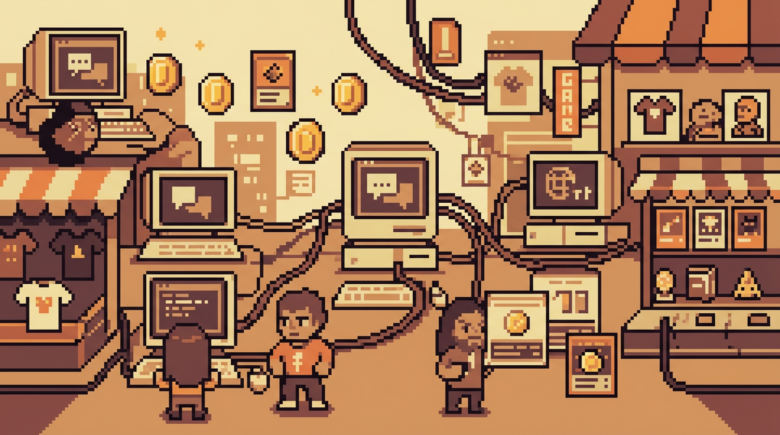
The transformation of internet fandoms from scattered discussion boards to a thriving $34 billion global market is one of the wildest cultural shifts I’ve witnessed in my lifetime. What started in the early 2000s as small communities sharing fan art on LiveJournal has become this incredibly sophisticated ecosystem where passion translates directly into purchasing power. This isn’t just about buying band t-shirts anymore. We’re talking about convention attendance that rivals major sporting events, merchandise drops that crash websites within minutes, and streaming numbers that can literally make or break entertainment properties.
The timeline tells the story pretty clearly. Around 2010, platforms like Tumblr began bringing together these previously scattered fan communities. By 2015, Twitter had become the main hub for coordinated fandom activities. Then the pandemic years of 2020-2022 accelerated everything. Stuck at home, isolated audiences threw themselves deeper into digital communities while creators pivoted to direct fan engagement through platforms like Patreon and OnlyFans.
Today’s fandom economy works on principles that traditional entertainment industries are still scrambling to understand. It’s built on sustained emotional investment rather than casual consumption. This creates revenue streams that keep flowing long after initial releases. A successful franchise no longer lives or dies by its opening weekend. It thrives on its ability to generate ongoing community engagement and the financial ecosystem that comes with it.
The Psychology Behind Parasocial Devotion
Researchers have identified parasocial relationships as a defining psychological phenomenon of our media culture, where audiences develop one-sided emotional connections with creators and fictional characters. This isn’t the casual appreciation previous generations had for movie stars. Modern fandom operates on the illusion of reciprocal relationship, encouraged by social media interactions and direct creator-to-fan communication channels.
These connections drive behavior that puzzles outsiders but makes perfect economic sense. Fans don’t just buy products. They buy into ongoing narratives about supporting their chosen creators or defending their preferred characters. The Know Your Meme culture tracking of various fandom phenomena shows how quickly these emotional investments can mobilize into collective action, whether that’s crowdfunding independent projects or organizing boycotts against perceived injustices.
The psychology creates a feedback loop that benefits both creators and platforms. Fans get the emotional satisfaction of participating in something larger than themselves. Meanwhile, creators gain not just revenue but also detailed behavioral data about their most engaged audiences. This data becomes incredibly valuable for content development, marketing strategies, and long-term career planning.
Stan Culture’s Double-Edged Influence
Stan armies have emerged as perhaps the most visible example of organized fandom power, capable of driving chart manipulation and cancel culture with equal efficiency. These coordinated fan groups can push songs to number one through strategic streaming, organize mass purchasing campaigns, and flood social media with synchronized messaging. The same organizational capabilities that can boost a creator’s career can just as easily destroy reputations through coordinated harassment campaigns.
The influence extends beyond individual creators to shape entire industry practices. Record labels now consider stan army potential when making signing decisions. Streaming platforms adjust algorithms to account for coordinated listening behavior. Publishers think about existing fandom strength when evaluating book proposals. The tail is wagging the dog in ways that would have been impossible in previous media eras.
This power comes with real cultural consequences. Traditional gatekeepers like critics and industry executives find their influence weakened when passionate fan bases can override professional judgment through sheer numbers. Quality becomes secondary to ability to generate fan engagement. This creates incentive structures that don’t always align with artistic merit or cultural value.
The Creative Pipeline from Fan to Professional
Fanfiction platforms now host over ten million stories spanning major fandoms. This creates what amounts to the largest creative writing workshop in human history. This massive repository of amateur creative work has become a direct pipeline into professional entertainment industries. Writers, artists, and game designers increasingly emerge from fandom communities rather than traditional educational institutions or industry training programs.
The pathway is becoming institutionalized. Publishers actively scout fanfiction platforms for emerging talent. Gaming companies recruit modders and fan artists. Television writers’ rooms now include staff who built their credentials through fan engagement rather than film school. Fandom culture analysis at Vulture documents how this shift is changing not just who gets hired, but what kinds of stories get told and how they’re structured.
This democratization of creative opportunity has huge implications for cultural production. Stories that might never have found traditional publishers reach massive audiences through fan platforms. Artistic styles developed in fan communities influence mainstream aesthetics. The feedback loops between amateur and professional creation are tightening. This creates a more responsive but also more homogenized creative culture.
Digital Community as Geographic Replacement
For Generation Z, online fandom communities have largely replaced geographic community as the primary source of social identity and belonging. This is a fundamental shift in how humans organize themselves socially. Instead of bonding with neighbors or classmates, young people form deep connections around shared media interests with people they may never meet in person.
The implications extend beyond entertainment into mental health, political organization, and economic behavior. Fandom communities become spaces for working through identity issues, processing trauma, and developing social skills. They also become echo chambers that can reinforce harmful behaviors or isolate members from diverse perspectives.
Looking ahead, the sustainability of this model remains uncertain. Online communities lack many stabilizing features of geographic communities, making them vulnerable to platform changes, algorithm updates, and the natural lifecycle of media properties. As the first generation to grow up primarily in digital communities enters full adulthood, we’re beginning to see both the benefits and costs of this fundamental social reorganization.
The fandom economy reveals how passion and commerce mix together in ways that reshape both. Understanding these dynamics becomes essential for anyone trying to navigate modern culture, whether as creator, consumer, or simply someone trying to understand how community and meaning-making function in our increasingly digital world.