When Passion Becomes Product
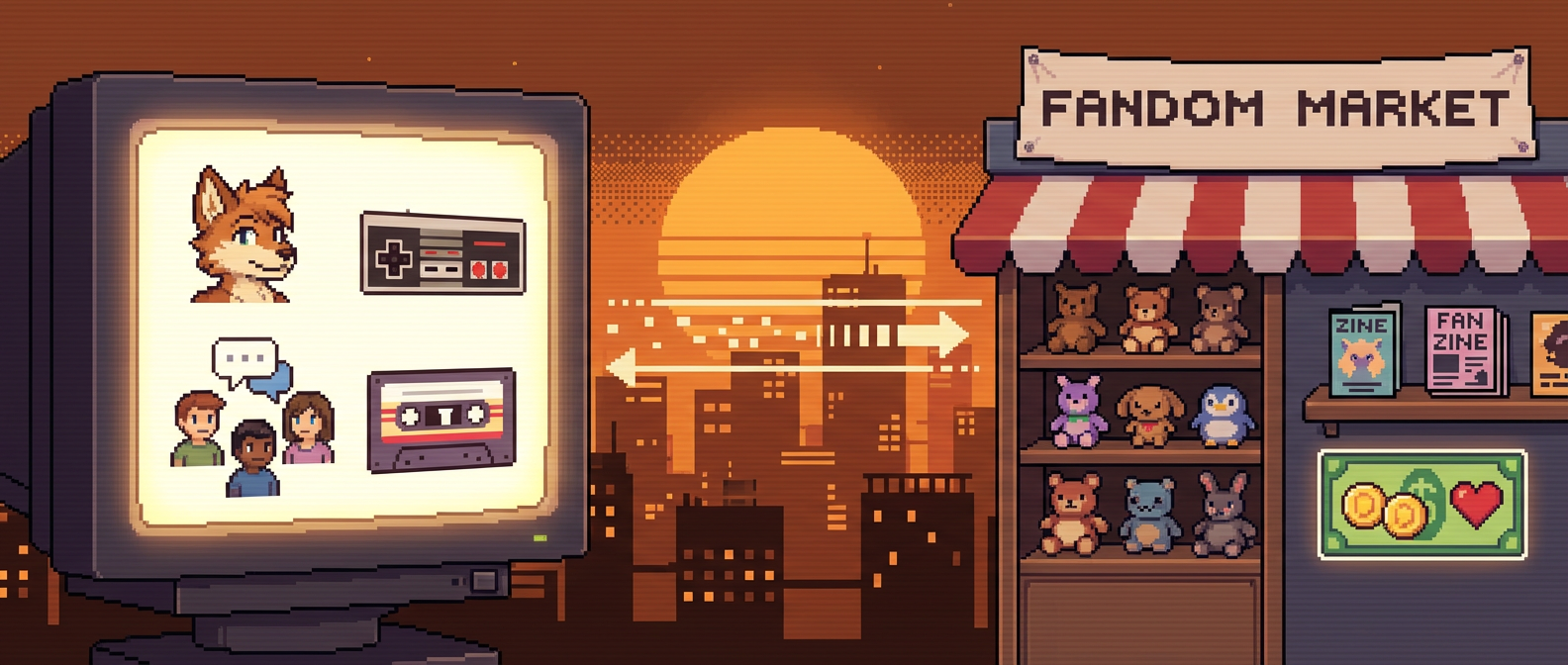
The numbers are staggering and impossible to ignore. The global fandom economy has ballooned to an estimated $34 billion, encompassing everything from limited-edition merchandise drops to massive convention experiences. This isn’t just about teenagers buying posters anymore. We’re seeing a full-scale economic ecosystem where emotional investment translates directly into financial transactions, and honestly, the line between genuine enthusiasm and manufactured consumption has become disturbingly blurred.
What makes this transformation particularly weird is how it has completely changed the relationship between creators and audiences. The traditional model of distant celebrity worship has given way to something far more intimate and economically complex. Fans now expect direct access to their chosen creators through platforms like Patreon, Twitch, and OnlyFans, creating a subscription-based intimacy that generates steady revenue while building deeper psychological connections. It’s almost transactional friendship.
This shift is more than just new revenue opportunities. It’s a cultural moment where the boundaries between artist and audience, creator and consumer, have dissolved into something entirely new. The question isn’t whether this change is good or bad, but rather what we’re willing to accept as the true cost of this new intimacy.
The Psychology of Digital Devotion
Parasocial relationships, where individuals form one-sided emotional connections with media figures, have become a legitimate area of psychological study as researchers try to understand the mental health implications of fandom culture. These relationships often provide genuine comfort and community for participants, particularly those who struggle with traditional social connections. But they also create vulnerabilities that the fandom economy is increasingly designed to exploit.
The sophistication of modern fan engagement tactics would make traditional marketers envious. Creators have learned to leverage feelings of friendship and loyalty to drive everything from merchandise sales to political activism. Fandom culture analysis at Vulture has documented how this emotional manipulation can lead to both positive outcomes, like charitable fundraising, and harmful ones, including financial exploitation of vulnerable fans.
What’s particularly troubling is how this dynamic has normalized the commodification of emotional labor. Fans increasingly expect creators to be available for comfort, advice, and personal connection, while creators feel pressure to maintain these relationships to preserve their income streams. The result is a feedback loop where authentic human connection becomes indistinguishable from calculated business strategy.
The Dark Side of Collective Action
Perhaps nowhere is the complex nature of modern fandom more obvious than in the phenomenon of “stan armies,” dedicated fan groups that can mobilize thousands of people within hours. These groups have remarkable power to drive chart manipulation, ensuring their chosen artists achieve commercial success through coordinated streaming and purchasing campaigns. The same organizational capabilities that can propel a song to number one can also destroy careers through targeted harassment campaigns and cancel culture initiatives.
The democratization of cultural influence that these groups represent is both thrilling and terrifying. Stan armies have successfully challenged industry gatekeepers and created space for artists who might never have found mainstream success through traditional channels. They’ve also proven effective at holding celebrities accountable for harmful behavior, creating consequences that publicists and legal teams cannot simply manage away.
But the mob-like dynamics of these groups often mirror the worst aspects of traditional mob behavior. The same passion that drives positive action can quickly transform into destructive zealotry. Know Your Meme culture tracking has documented countless instances where stan armies have turned on former allies, destroyed reputations based on incomplete information, and created hostile environments for anyone who questions their chosen narrative.
The Creative Underground Goes Mainstream
While the economic and psychological aspects of fandom culture grab headlines, perhaps the most interesting change is happening in creative production itself. Fanfiction platforms now host more than 10 million stories spanning every conceivable fandom, creating a massive repository of amateur creative work that rivals traditional publishing in both volume and engagement. This isn’t just hobbyist writing, it’s a training ground for the next generation of professional creators.
The fandom-to-professional pipeline has become increasingly visible across writing, art, and game design industries. Major publishing houses now scout fanfiction platforms for talent. Video game companies hire artists who first gained recognition through fan art. Television writers’ rooms include staff who cut their teeth writing for online fan communities. This is a real democratization of creative industries that were once heavily gatekept by academic credentials and industry connections.
However, this pipeline also raises uncomfortable questions about exploitation and labor. Much of the creative work that drives fandom culture is unpaid labor performed primarily by young women and marginalized communities. While some creators successfully monetize their fandom work, many others find their ideas and innovations absorbed into commercial products without compensation or credit.
Community in the Age of Algorithm
For Generation Z, online community formation through fandom has largely replaced the geographic communities that shaped previous generations. This shift has created unprecedented opportunities for connection across traditional boundaries of location, class, and culture. Young people can find their tribes based on shared interests rather than circumstantial proximity, leading to more authentic and fulfilling relationships for many.
Yet this transition also comes with significant losses. The skills required to navigate physical community spaces, resolve conflicts through face-to-face interaction, and maintain relationships without the mediation of digital platforms are atrophying. The algorithmic nature of online community formation can also create echo chambers that reinforce existing beliefs and preferences rather than exposing individuals to the challenging diversity that geographic communities naturally provide.
The implications extend beyond individual development to broader questions about civic engagement and social cohesion. When community formation becomes primarily digital and interest-based, the shared challenges and responsibilities that bind geographic communities together begin to lose their relevance. This atomization may contribute to the broader political and social fragmentation we see reflected in contemporary culture.
The fandom economy represents both the promise and peril of digital culture. It has created new pathways to creative success, built meaningful connections across traditional barriers, and given voice to previously marginalized communities. But it has also normalized the exploitation of emotional labor, weaponized collective action, and accelerated the dissolution of traditional community structures. Understanding these trade-offs isn’t about nostalgia for a simpler past, but about making conscious choices about the future we’re building together. What aspects of this cultural transformation do you see as most significant in your own experience?