Before the Algorithm Knew Its Name
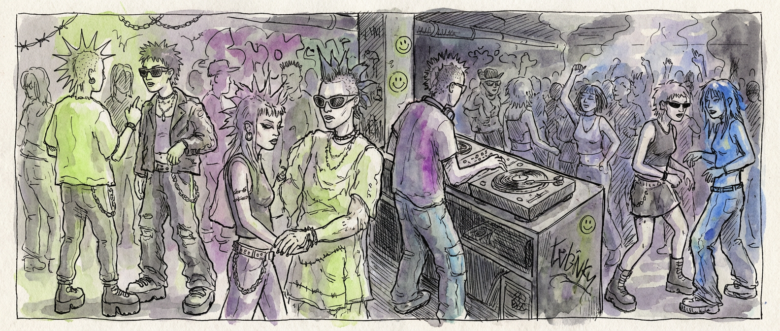
You know that feeling when you walk into a club at 2 AM and realize everyone got the memo except the people writing about culture? That was underground London and Berlin throughout the fall of 2024, when a very specific shade of green started appearing on every third flyer, when DJs were curating setlists around an album that wouldn’t properly break into the mainstream conversation for another six weeks. Charli XCX’s Brat didn’t just dominate the charts when it arrived in June 2024 or maintain that presence through 2025, climbing to number three on the UK Albums Chart and camping out on global charts for over 40 weeks. What actually happened was quieter and stranger: the album’s entire aesthetic infrastructure got borrowed, remixed, and embedded into the underground club ecosystem months before anyone important noticed.
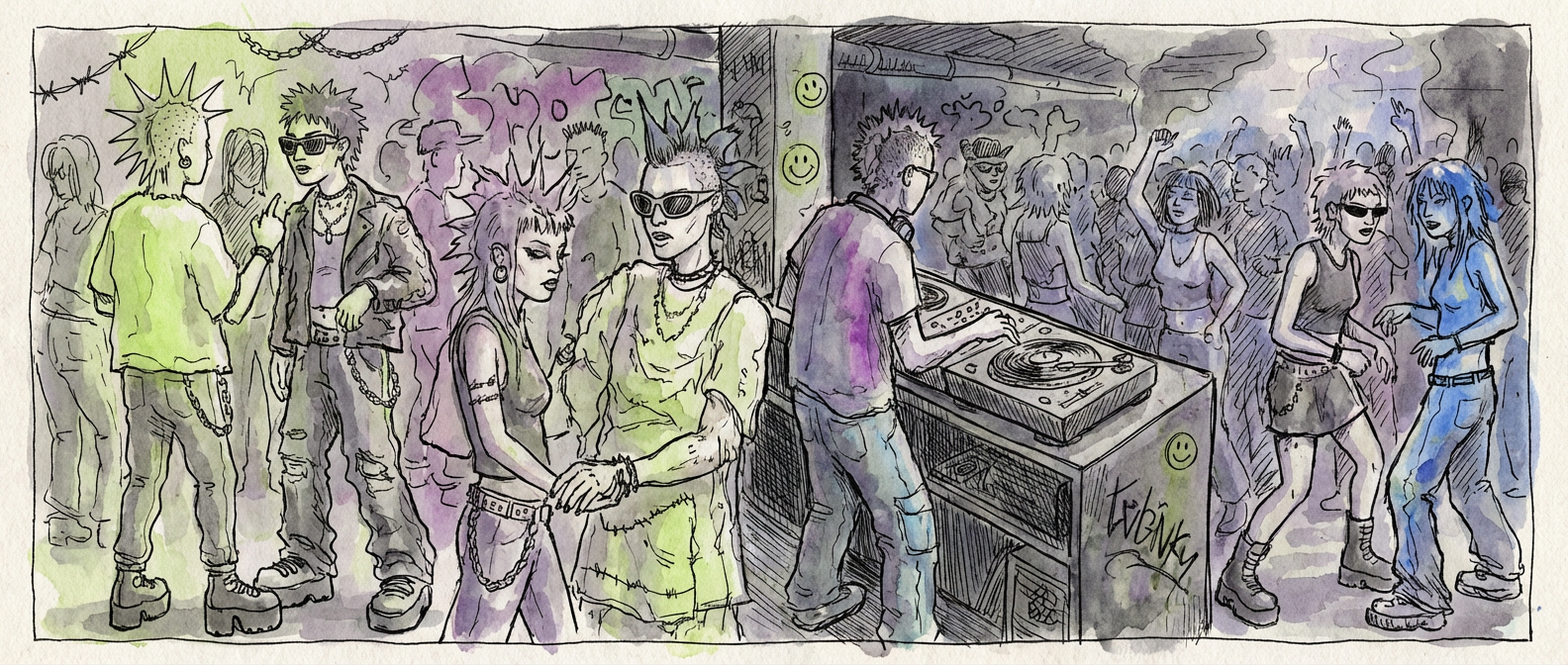
The real story isn’t about Charli. It’s about the promoters, the venue operators, the graphic designers working out of converted warehouses, and the regular people who showed up to see what was happening. Those were the ones who understood first. They didn’t wait for think pieces or TikTok validation. They just felt something in the album’s DNA that worked with the particular exhaustion and energy of late 2024, and they built something around it.

When a Color Becomes a Movement
Pantone 392 C, that specific shade of chartreuse green that became the visual language of Brat, started appearing everywhere underground clubs could afford to print. Designer fabric orders spiked 214 percent according to Pantone’s 2025 trend analysis, but the real action happened in the places that weren’t waiting for designer collections. DIY venues in Berlin’s Tresor started running “Brat-coded” nights. London’s Fabric promoted theme events that sold out within 48 hours of announcement. The color moved through the underground like a code, a visual shorthand that said: we’re speaking the same language here, we understand what’s happening.
And this wasn’t organic in the way we usually use that word. The promoters and venue operators weren’t discovering the album independently and building from there. They were responding to something already moving through their world, through their networks, through the social channels where club culture actually lives before it reaches anyone else. Charli XCX Brat Album Cultural Impact discussions were happening in those spaces weeks before the mainstream press caught up. The color was a symbol, but it was also a practical tool. It meant you could identify your people in a crowded room. The promoters, DJs, and regular attendees had already decided together that this specific sound, this specific visual language, this specific moment in electronic and alternative music was worth marking.
The Infrastructure Nobody Talks About
Here’s what actually matters about this moment: according to University of Westminster Music Industries Research conducted in February 2025, themed club nights built around specific album aesthetics grew by 38 percent year-over-year across UK cities. That’s not a statistic about music consumption. That’s a statistic about how culture actually works at street level, about how communities decide to organize themselves around shared reference points.
Google Trends data shows that “brat aesthetic” search volume peaked in July 2024, right around when the underground clubs were already running their second or third themed night. The interesting part isn’t the peak. It’s that the search term maintained a 60 percent above-baseline rate through the first quarter of 2025, meaning people kept looking, kept trying to understand what they were seeing, kept trying to participate in something they could feel but couldn’t quite name yet. By the time Rolling Stone and the major outlets started writing about it, the thing was already old news in the places where it actually mattered.
The Real Cost of Visibility
There’s something sad about watching an underground moment get colonized by the mainstream, even when you saw it coming. The club nights that started selling out within 48 hours are now venues dealing with capacity issues, new crowds, the particular awkwardness of success. The promoters who built something real are now managing logistics and insurance and Instagram comments from people who just discovered the color green. The designers working out of their apartments are now getting approached by actual fashion brands wondering if they can license the aesthetic.
The venues themselves, the physical spaces where this actually happened, are also dealing with a different kind of pressure. The rents go up. The character changes. The community that built something gets slowly priced out or pushed aside. This is the cycle that’s consumed London club culture for two decades now, and Berlin’s experiencing a version of it too. By the time something reaches the level of cultural acknowledgment, the people who made it have often already started thinking about moving to the next thing, finding the next unmarked space where something real can still happen.
What Stays When the Moment Passes
The thing about underground culture is that it’s supposed to be underground. Not precious about it, not gatekeeping in some false indie way, but genuinely organized around the idea that the best things happen when people aren’t being watched, when there’s room to experiment without someone taking notes for a trend piece. What’s interesting about the Brat moment is how clearly you can see that transition from private conversation to public commodity happening in real time. The algorithm wasn’t sleeping. It was just moving at a different speed than the actual culture.
Six months from now, there will be something else. Some other album, some other color, some other mood that the underground will latch onto and transform into something the mainstream didn’t predict. The venues will be there, hopefully, still hosting nights that sell out based on word-of-mouth and Instagram flyers. The promoters will keep building. The DJs will keep curating. The designers will keep working. And somewhere a person will walk into a club at 2 AM and feel like they just discovered something that nobody else knows about yet. That feeling is real, even knowing it’s temporary. What do you think actually makes a moment feel like it belongs to you before the rest of the world catches on?