The Setup Nobody Saw Coming
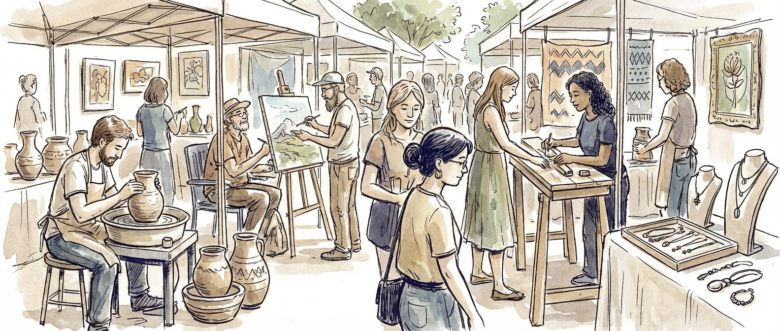
Six months ago, Maya Chen was throwing pots in her converted garage on Elm Street, selling maybe three pieces a month at the Saturday farmers market. Today, her waiting list stretches four months out and her work hangs in two galleries downtown. The transformation wasn’t magic—it was the perfect collision of preparation, timing, and a city finally ready to see what had been there all along.
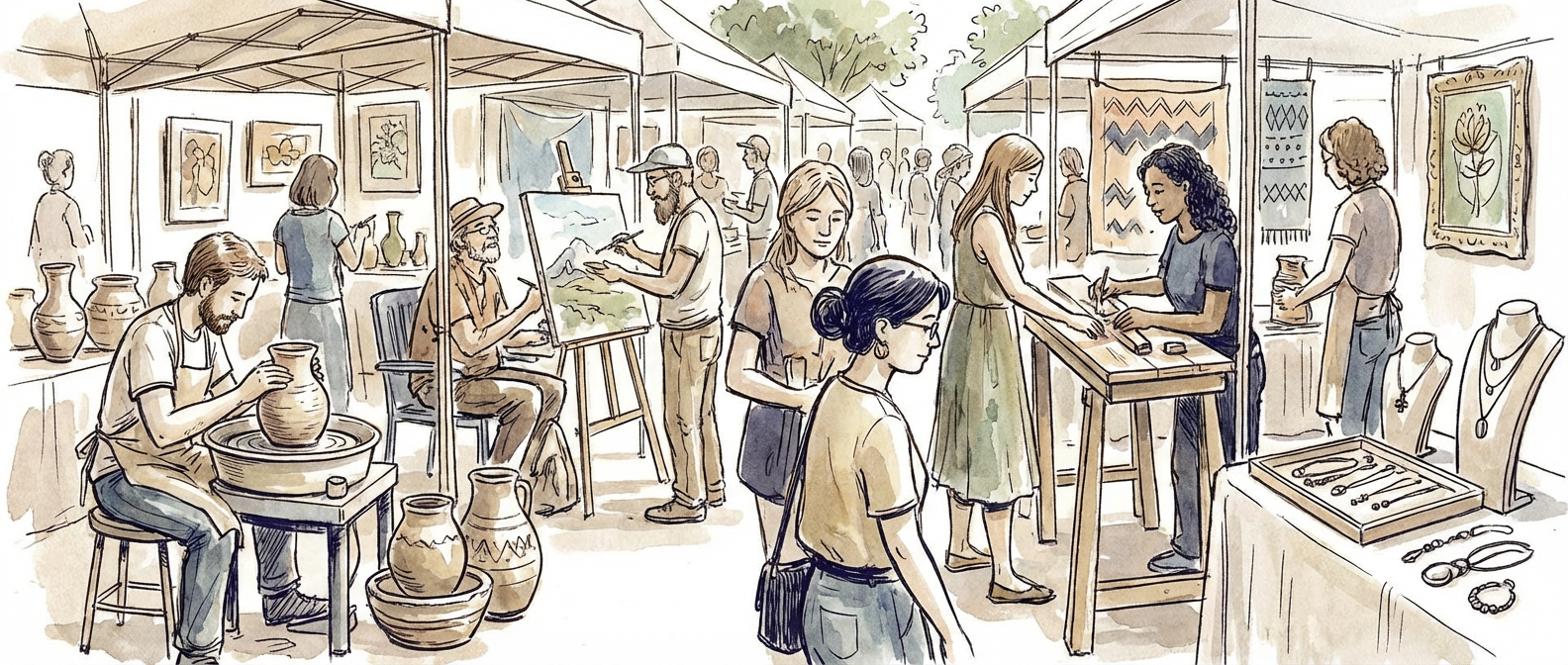
Maya had been developing her signature style for three years before anyone noticed. Those angular vessels with the oxidized copper glazes didn’t happen overnight. She’d been experimenting with metal inclusions since 2021, inspired by the industrial decay she saw walking through the old warehouse district where she lived. The technique was tricky—too much copper and the piece would crack, too little and the effect disappeared entirely.
What changed wasn’t Maya’s work. What changed was everything around it. The warehouse district started attracting the kind of people who understood the difference between craft and art. Coffee shops moved in, then studios, then the kind of renters who bought handmade mugs instead of picking them up at Target. Maya kept making the same pots, but suddenly she was making them for people who got it.

The Infrastructure of Recognition
Behind every artist’s breakthrough moment is an ecosystem most people never see. Maya’s rise happened because three separate threads wove together at exactly the right time. First, the city approved zoning changes that allowed mixed-use development in her neighborhood. Second, Sarah Kim opened Ritual Coffee two blocks away and decided she wanted local ceramics instead of mass-produced cups. Third, Instagram’s algorithm started favoring video content just as Maya began documenting her glazing process.
The coffee shop connection proved crucial. Sarah wasn’t just buying mugs, she was curating an experience. When customers started asking where the cups came from, Sarah didn’t just give them Maya’s name. She told the story: the garage studio, the experimental glazes, the way Maya spent months perfecting each firing temperature. Suddenly Maya wasn’t just selling ceramics. She was selling narrative.
Social media amplified what was already happening in person. Maya’s glazing videos, shot on her phone between the shelving units in her garage, started hitting the algorithm sweet spot. Fifteen seconds of copper carbonate blooming across bisqueware at 1832 degrees Fahrenheit. The chemistry was mesmerizing, but more importantly, it was authentic. People could see the cramped space, hear the kiln humming, feel the intensity of someone pursuing excellence in less-than-ideal conditions.
The Moment Everything Clicked
The actual breakthrough came on a Tuesday in March. Maya posted a video of herself opening a kiln after a particularly tricky firing. Three pieces had cracked, but one large vase emerged perfect, the copper creating patterns that looked like aerial views of river deltas. The video hit 50,000 views in six hours. By Thursday, Maya’s DMs were flooded with commission requests.
But the real turning point happened offline. Jennifer Walsh from Meridian Gallery had been following Maya’s work for months without saying anything. The viral video wasn’t what convinced her to offer Maya a show, it was seeing thirty people lined up outside Ritual Coffee on Saturday morning, all hoping to buy one of Maya’s cups. Jennifer understood market dynamics. She called Maya that afternoon.
The gallery show changed everything, but not in the way most people think. The opening night wasn’t packed with strangers, it was full of people who already knew Maya’s work. The neighborhood coffee regulars, the studio renters who’d been watching her load kilns for months, the local collectors who’d been quietly picking up pieces at the farmers market. What looked like an overnight success was actually a community finally seeing itself reflected back in a gallery setting.
The Conditions That Made It Possible
Maya’s success wasn’t accidental, but it wasn’t entirely planned either. She benefited from a specific set of circumstances that are reshaping how local art markets work. Gentrification provided foot traffic and disposable income, but it also created demand for authenticity. People wanted to buy from the artist who actually lived and worked in their neighborhood, not someone importing pieces from across town.
The timing of social media adoption mattered too. Maya started posting consistently right when the platform’s tools became sophisticated enough to showcase craft processes effectively, but before the space became oversaturated. Her early adopter advantage meant she built an audience before everyone else figured out the same strategies.
Most crucially, Maya had spent years building relationships before she needed them. She knew Sarah at Ritual because she’d been buying coffee there since the place opened. She connected with other studio artists through informal kiln shares and material swaps. When the moment came, she wasn’t starting from zero, she was activating a network that already existed.
What This Means for Everyone Else
Maya’s trajectory reveals something important about how creative careers develop in rapidly changing neighborhoods. The old model required artists to work in isolation until they were “ready” for professional recognition. The new model rewards artists who embed themselves in their communities while they’re still developing their practice.
The artists who thrive now are the ones who understand that technique and community-building aren’t separate activities. Maya didn’t network her way to success, she built genuine relationships with people who shared her values and aesthetics. When the opportunity arose, those relationships provided the foundation for sustainable growth.
What makes this moment particularly interesting is how it’s being replicated across the city. Three other artists in Maya’s immediate vicinity have seen similar trajectory shifts in the past year. The infrastructure that supported Maya’s rise, the mixed-use zoning, the coffee shop curation, the social media amplification, is creating opportunities for anyone willing to engage with it thoughtfully.
If you’re curious about emerging work in the area, Maya’s pieces are currently on view at Meridian Gallery through the end of next month. But honestly, the most interesting developments are happening in studios and coffee shops and informal spaces where artists are building the relationships that will define the next wave of local culture. Those are the conversations worth joining.